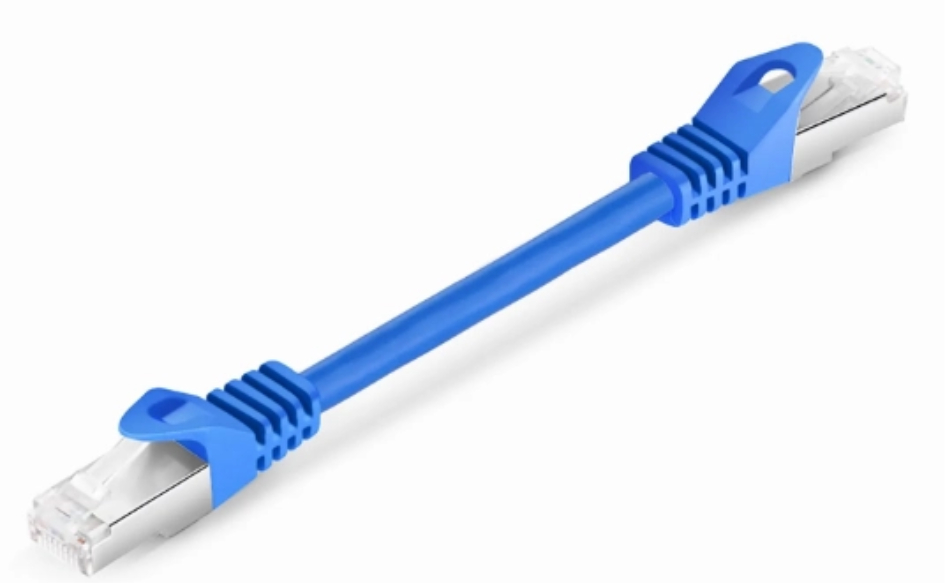
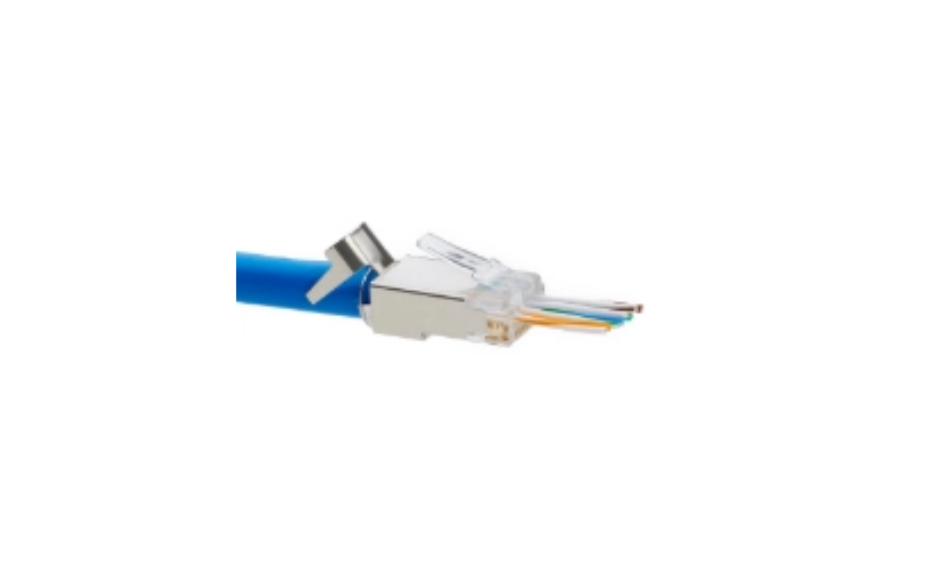
Round cables once dominated the IT landscape, but flat cables are now rapidly gaining prominence, widely regarded as the future trend in network connectivity. As relevant industry standards continue to evolve year after year, gaining a deep understanding of the key differences between these two cable types has become an essential requirement for both IT professionals and enthusiasts alike.
Round Ethernet cables once dominated the IT landscape, but flat cables are now rapidly gaining prominence, widely regarded as the future trend in network connectivity. As relevant industry standards continue to evolve year after year, gaining a deep understanding of the key differences between these two cable types has become an essential requirement for both IT professionals and enthusiasts alike.
Physical Design and Space Management
Round Ethernet cables
Round Ethernet cables have long served as the cornerstone of traditional network systems. These cables feature a durable outer jacket encasing internal twisted-pair cores, excelling at minimizing electromagnetic interference (EMI) and ensuring signal integrity.
However, their inherently cylindrical profile occupies significant space, thereby complicating the cabling process.
Flat Ethernet cables
Flat Ethernet cables—now available with advanced twisted-pair configurations—offer a truly revolutionary solution. Their slender profile is not only aesthetically pleasing but also directly enhances space utilization and streamlines workflows.
Whether routed beneath carpeting or concealed behind furniture, these cables are effortless to install—making them perfectly suited for a wide range of office environments and home network setups—all while fully meeting the industry's most rigorous performance standards.
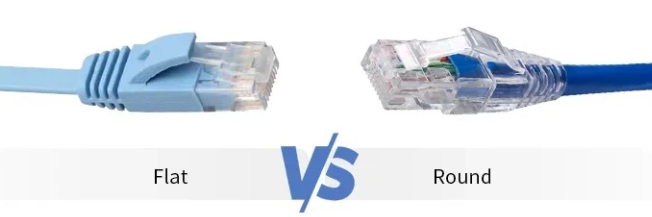
Key Feature Comparison
In terms of performance, both cable types support high‑speed Cat6/Cat6a transmission up to 10 Gbps and meet strict industry standards. Modern flat twisted‑pair cables satisfy ISO/IEC 11801 Ea Class and ANSI/EIA/TIA‑568 Cat 6A requirements, and Fluke tests show they can even outperform round cables in crosstalk (NEXT) with similar return loss, providing stable, interference‑free performance equal to or better than traditional round cables.