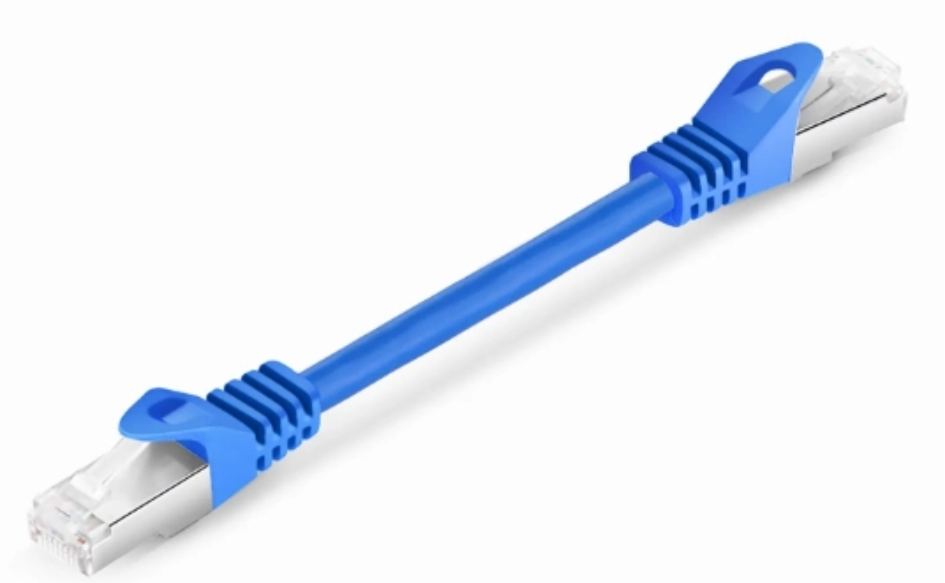
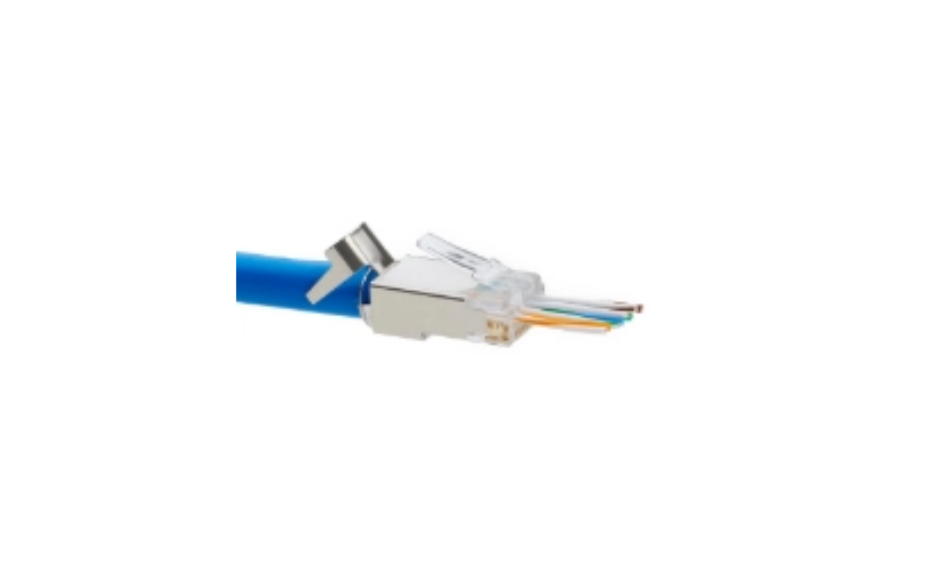
CAT5e F/UTP Ethernet Cable
Details
Specification
| Parameter |
Specification |
| Product Name |
CAT5e F/UTP Ethernet Cable |
| Category |
Cat5e |
| Cable Type |
F/UTP |
| Conductor Material |
100% Oxygen-Free Bare Copper |
| Conductor Size |
24 AWG |
| Number of Pairs |
4 Pairs |
| Pair Shielding |
Unshielded |
| Overall Shielding |
Aluminum Foil Shield |
| Insulation Material |
HDPE |
| Jacket Material |
PVC / LSZH / PE |
| Operating Temperature |
-20°C to +75°C |
| Standard Length |
305m (1000ft) |
| Compliance Standards |
ANSI/TIA-568.2-D, ISO/IEC 11801 |
| Color Options |
Blue, Grey, Black, White |
Features and Benefits
- 100% Oxygen-Free Bare Copper Conductors
- Overall Aluminum Foil Shielding
- Reduced EMI & Crosstalk
- Supports 10/100/1000 Base-T Ethernet
- Stable Gigabit Transmission
- Compatible with PoE & PoE+
- Flexible and Easy Installation
- Available in PVC, LSZH and PE Jackets
- OEM & Private Label Services
Cable Structure
| Layer |
Description |
| Outer Jacket |
PVC / LSZH / PE |
| Shielding |
Aluminum Foil Shield |
| Conductors |
4 Twisted Pairs |
| Conductor Material |
Oxygen-Free Copper |
FAQ
Q1: What is the difference between UTP and F/UTP cable?
A1: F/UTP cable includes an overall aluminum foil shield around all four pairs, providing better protection against EMI than standard UTP cable.
Q2: What is the difference between F/UTP and S/FTP?
A2: F/UTP uses one overall foil shield, while S/FTP includes both an overall braided shield and individual foil shielding for each pair. S/FTP offers higher EMI protection but at a higher cost.
Q3: Can it be used for PoE devices?
A3: Yes. The cable supports PoE and PoE+ applications such as IP cameras, wireless access points, and VoIP systems.
Q4: Does the length of a network cable affect network speed?
A4: Cat5e supports a maximum length of 100 meters, while Cat6 supports 10Gbps over a maximum distance of 55 meters. Exceeding these standard lengths may lead to signal attenuation and a reduction in network speed.
Q5: What jacket options are available?
A5: PVC, LSZH, and PE jacket options are available to meet different installation requirements.