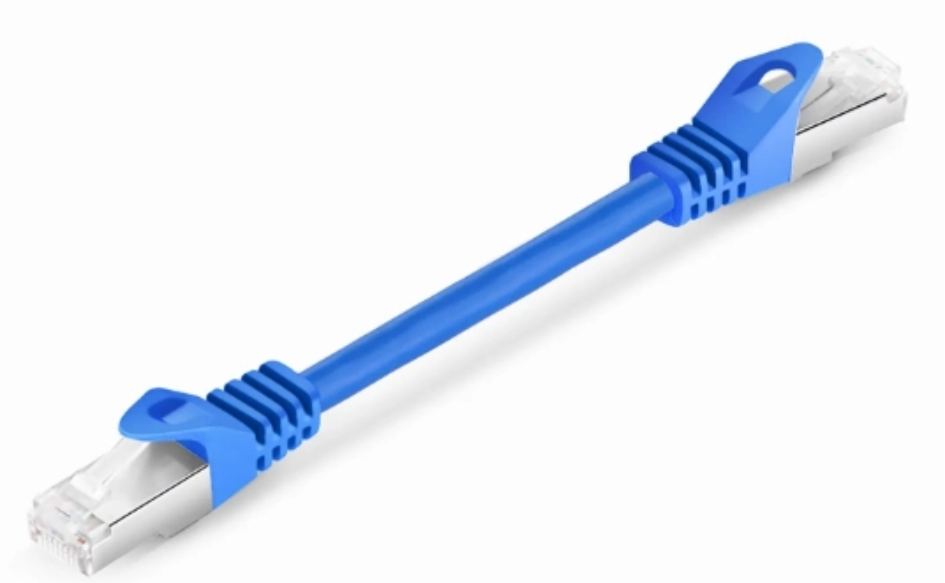
HSD cables serve as a critical link in modern audio and video systems, delivering high-speed, reliable connectivity that preserves signal integrity and maximizes audiovisual performance. These cables stand apart from conventional options due to their superior bandwidth, enhanced signal quality, broad device compatibility, and reinforced durability. When selecting an HSD cable, be sure to consider key factors such as device compatibility, supported resolution and refresh rate, appropriate length, and overall value to ensure optimal performance tailored to your specific setup.
HSD cables are engineered with cutting-edge technologies to meet the demands of high-bandwidth applications. They utilize advanced protocols like USB 3.0+, Thunderbolt 3/4, and USB4, enabling exceptional data transfer rates ranging from 10 Gbps to over 40 Gbps—far surpassing the capabilities of standard USB 2.0 or basic USB-C cables. Additionally, their design incorporates shielded twisted pair (STP) wiring and precision conductors to minimize signal degradation and electromagnetic interference, while robust connectors with metal shielding and tight pin spacing ensure secure, high-integrity connections even under maximum loads.
While HSD cables generally offer improved durability due to high-quality materials and enhanced construction, their physical robustness can vary based on manufacturer and design. The use of premium components and advanced shielding also results in a higher price point compared to standard cables, reflecting their specialized performance and construction quality.
With support for up to 40 Gbps or more, HSD cables facilitate rapid transfer of large datasets, 4K/8K video streams, and real-time backups—dramatically outperforming standard USB 3.0 and earlier generations.
By integrating cutting-edge specifications such as USB4® and Thunderbolt, these cables deliver exceptional transfer speeds and bandwidth—reaching up to 40 Gbps or beyond—making them ideal for both consumer and professional high-performance applications, while their design typically retains backward compatibility with older ports, ensuring broad usability across diverse devices and systems.
HSD cables operate on a plug-and-play basis and require no additional configuration. Once considered premium products, they are now available at accessible price points, with entry-level options ranging from $20 to $50.
Suitable for a wide range of devices—including laptops, docking stations, external storage, cameras, and displays—HSD cables offer flexibility across professional, creative, and personal use cases.