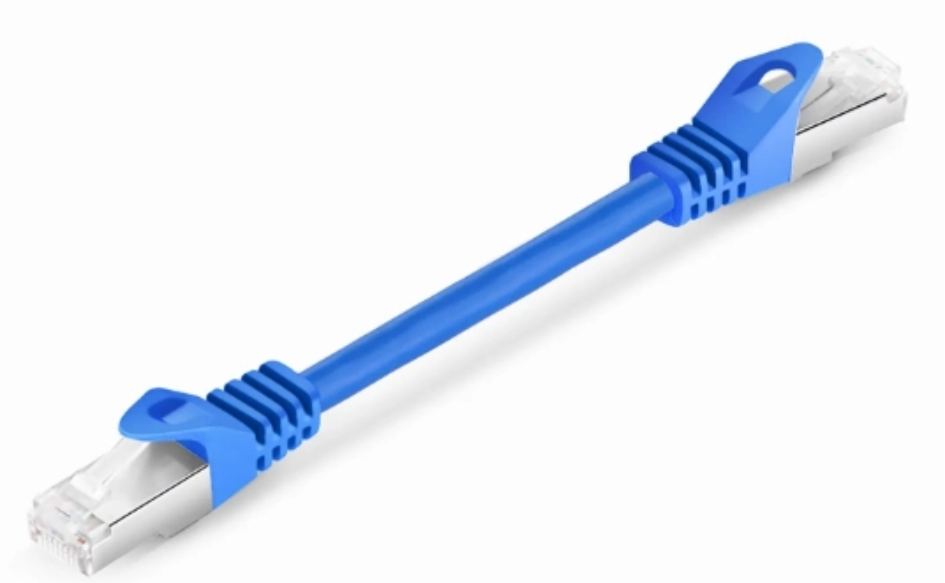
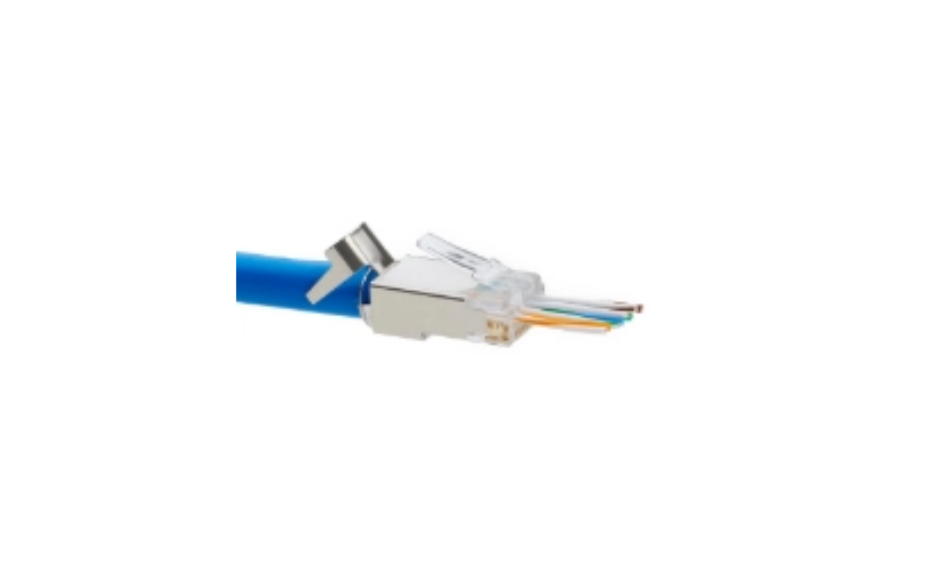
These cables are constructed with advanced shielding and higher-quality conductors to allow data to travel at very high rates without significant signal degradation, loss of quality, or errors. This ensures the integrity of the content from the source to the display.
The key differentiators between an HSD cable and a standard cable lie in its performance and construction:
1. Bandwidth: This is the most critical difference. Standard cables are designed for lower data rates. HSD cables are certified to handle much higher bandwidths (e.g., 18 Gbps for HDMI 2.0, 48 Gbps for HDMI 2.1). This is essential for transmitting massive amounts of data required for ultra-high-definition video and multi-channel audio.
2. Signal Integrity: HSD cables employ superior shielding (often multiple layers) and better construction to minimize electromagnetic interference (EMI) and radio-frequency interference (RFI). This prevents signal loss over distance and ensures a stable, clear picture without artifacts like "sparkles" or screen dropouts.
3. Durability and Build Quality: To ensure reliable performance, HSD cables are typically built with higher-grade materials, more robust connectors (often with gold plating to resist corrosion), and better strain relief to withstand frequent plugging and unplugging.
While a standard cable might work for basic HD content, an HSD cable is a necessity for unlocking the full potential of modern audio and video equipment, ensuring that every pixel and sound detail is transmitted without compromise.