Tired of video conferences suddenly freezing, experiencing high latency during online gaming, or suffering from painfully slow file downloads? The root of the problem might not be your internet plan, but rather an unstable wireless connection. Connecting your devices to a wired network via an Ethernet cable is the most direct and effective way to achieve a fast, stable, and secure internet experience.
Tired of video conferences suddenly freezing, experiencing high latency during online gaming, or suffering from painfully slow file downloads? The root of the problem might not be your internet plan, but rather an unstable wireless connection. Connecting your devices to a wired network via an Ethernet cable is the most direct and effective way to achieve a fast, stable, and secure internet experience.
Definition of Ethernet Cable
What Is an Ethernet Cable?
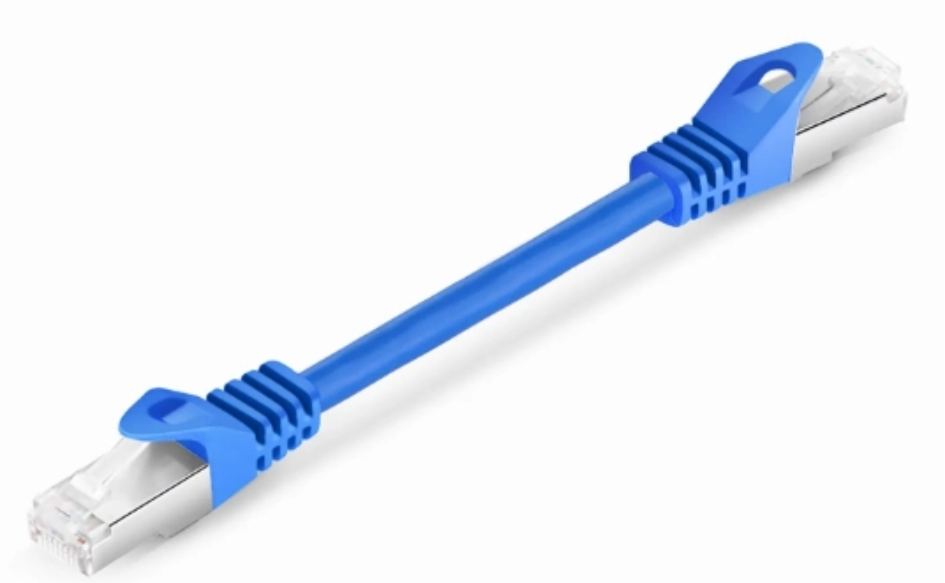
An Ethernet cable is the physical, wired pathway that connects devices to a local area network (LAN) and to the internet. Functioning as the circulatory system of a wired network, it is the most common and fundamental type of network cable, serving as the essential conduit for the transmission of data packets between devices.
Key Characteristics
Ethernet cable performance is strictly defined by standardized categories, commonly denoted as "
Cat" (Category). These standards specify the cable's structure, maximum data transfer speed, bandwidth (frequency range), and ability to suppress crosstalk and electromagnetic interference.
Cat5e is a widely used basic standard, supporting Gigabit Ethernet (up to 1 Gbps) over distances of up to 100 meters. Cat6 offers higher performance specifications, achieving speeds of 10 Gbps over shorter distances (up to 55 meters) and featuring better internal shielding. Cat6a and Cat7 are designed for demanding, future-proof installations, reliably supporting 10 Gbps speeds over the full 100-meter distance and operating at higher frequencies to meet massive bandwidth requirements.
Why Use Ethernet Over Wi-Fi?
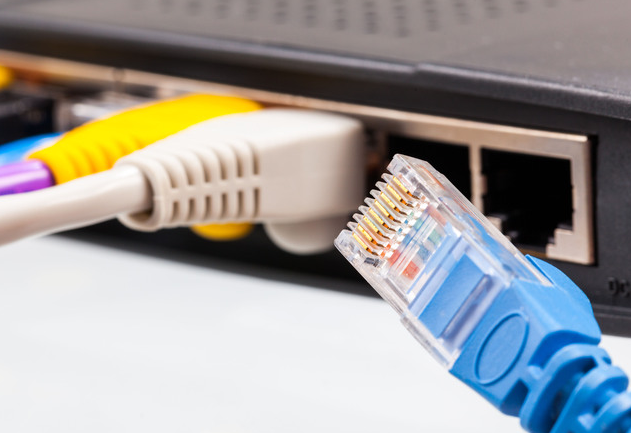
Compared to wireless connections, Ethernet wired connections offer four core advantages: they provide higher and more stable transmission speeds, fundamentally avoiding fluctuations in wireless signals; they offer extremely low network latency (ping), which is crucial for online gaming, video conferencing, and live streaming; they are more reliable, unaffected by wireless interference, obstacles, or congestion from multiple devices; and they provide greater security, as physical connections are difficult to intercept remotely, ensuring the privacy of data transmission.
In Summary
In today's era of rapid advancements in communication technology, deploying high-performance wired network connections is incredibly convenient. Whether through native ports or universal adapters, users can easily enjoy the significant advantages of Ethernet: faster speeds, higher reliability, lower latency, and enhanced security.